Summary
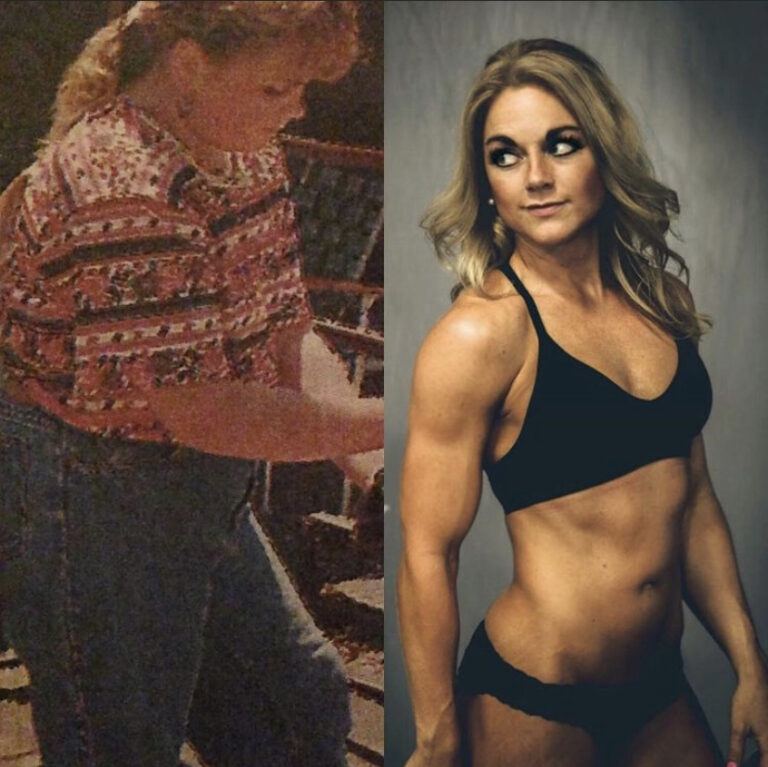
Dive into the inspiring success story of Katie, a journey that showcases the transformative power of the Carnivore Diet. This detailed account reveals how shifting to a meat-focused diet can lead to remarkable health and lifestyle changes.
Key Benefits Experienced by Katie:
- Relief from Digestive Issues: Significant improvement in managing Crohn’s disease and other gut-related problems.
- Steady Energy Levels: Elimination of energy fluctuations commonly associated with carbohydrate intake.
- Enhanced Mental Well-being: Stabilized mood, reduced cravings, and a positive shift in self-esteem and body image.
- Improved Physical Fitness: Notable gains in strength and endurance, particularly beneficial for her CrossFit routines.
- Personalized Diet Approach: Adaptation of the Carnivore Diet to meet her unique health needs, leading to a balanced and sustainable lifestyle.
Introduction: A Remarkable Transformation
Meet Katie, a vibrant soul from Fishers, Indiana, whose journey with the Carnivore Diet is nothing short of astonishing. As a Purdue University grad, a CrossFit enthusiast, and a healthcare professional, Katie’s life is a diverse tapestry of experiences. But it’s her battle with health issues like Crohn’s disease, hormonal imbalances, and the struggles of weight management that truly define her resilience.
Katie’s story is a testament to the power of self-discovery and determination. Growing up in a farming community, she was immersed in the world of hearty, home-cooked meals, yet faced challenges with portion control and body image from a young age. Her journey through various dietary landscapes, including the highs and lows of CrossFit nutrition, is a relatable tale for many. It’s a story of navigating through misinformation, confronting personal health battles, and ultimately finding a path to wellness that defies conventional norms.
The Carnivore Diet, often misunderstood and subject to skepticism, became Katie’s beacon of hope. It’s not just a diet for her; it’s a lifestyle that has radically transformed her health and outlook on life. This is her story of embracing an unconventional path to reclaim her health, vitality, and happiness.
Katie’s Journey to Wellness
Katie’s path to embracing the Carnivore Diet was marked by a series of health challenges and personal struggles. From an early age, she grappled with weight issues, self-esteem, and body image concerns, exacerbated by the societal pressure to conform to a certain physical ideal. Her diet, heavily influenced by her upbringing in a farm community, was rich in home-cooked meals, yet lacked balance and portion control.
As Katie ventured into adulthood, her health complexities deepened. She battled Crohn’s disease, hormonal imbalances, and infertility, which were further complicated by disordered eating patterns. Her introduction to CrossFit in 2013 was a turning point, offering a sense of community and a new focus on fitness. However, this also led to a phase of over-exercising and under-eating, pushing her body to its limits and exacerbating her health issues.
Despite numerous dietary experiments, Katie struggled to find a sustainable solution. Her health took a significant downturn, leading to a desperate search for a reset. This quest led her to the Carnivore Diet, a decision spurred by her latest Crohn’s flare and the realization that traditional diets were not addressing her unique health needs.
Katie’s approach to the Carnivore Diet was methodical and self-aware. She recognized her tendency to react negatively to carbs and certain foods, which prompted her to adopt an abstainer’s mindset towards her diet. This approach was pivotal in helping her identify and eliminate trigger foods, leading to a significant improvement in her digestive health and overall well-being.
Katie’s success on the Carnivore Diet is not just a story of dietary change but a journey of self-discovery and healing. Through this diet, she found relief from her gut issues, gained steady energy, and saw a reduction in inflammation and fat. It was a transformative experience that redefined her relationship with food and her body.
Improved Digestive Health and Energy Levels
One of the most profound benefits Katie experienced with the Carnivore Diet was a remarkable improvement in her digestive health. Having struggled with Crohn’s disease and various gut-related issues for years, the shift to a meat-centric diet brought unexpected relief. The elimination of fibrous vegetables, grains, and sugars, which were previously part of her diet, reduced the digestive burden on her system. This change resulted in the alleviation of chronic bloating, constipation, and the discomfort associated with digestive flare-ups.
Moreover, Katie noticed a significant boost in her energy levels. Transitioning to the Carnivore Diet meant her body was no longer subject to the energy spikes and dips often caused by carbohydrate intake. Instead, she experienced a more steady and sustained energy level throughout the day. This was particularly evident once she adapted to the diet, a process that took her about seven months.
The diet’s impact on Katie’s metabolic health was also notable. By cutting out carbs, she addressed issues related to insulin resistance and inflammation, contributing to an overall sense of physical well-being. The simplicity of the diet, focusing primarily on meat, eliminated many of the food-related stressors and decisions, streamlining her daily routine and contributing to a more balanced lifestyle.
Conclusion: A Life Transformed
Katie’s journey with the Carnivore Diet is a powerful illustration of how a targeted dietary approach can lead to profound life changes. By embracing this diet, she not only overcame longstanding health challenges but also discovered a newfound sense of vitality and well-being. Her story is a beacon of hope and inspiration, showing that with perseverance and the right dietary choices, it is possible to turn one’s health around.
The Carnivore Diet was more than a nutritional regimen for Katie; it became a catalyst for a holistic transformation. It brought clarity to her understanding of food’s impact on her body, leading to a harmonious relationship with her diet, her physical fitness, and her mental health. Katie’s experience underscores the importance of personalized nutrition and the potential of dietary interventions in addressing complex health issues.
Katie’s success is a reminder that sometimes, the road less traveled holds the key to health and happiness. Her story encourages others to explore and find their unique path to wellness, emphasizing that the journey is as important as the destination.
Disclaimer: Personal Experience, Not Medical Advice
Please note that this story reflects Katie’s personal experience with the Carnivore Diet and should not be taken as medical advice. Each individual’s health journey is unique, and dietary needs vary. Consult with a healthcare professional before making significant changes to your diet or lifestyle.
Enhanced Mental Well-being and Physical Fitness
Beyond the physical benefits, the Carnivore Diet had a significant impact on Katie’s mental health and emotional well-being. The elimination of sugar and processed carbs helped stabilize her mood, reduce cravings, and diminish the urge for binge eating, which had been a part of her struggle with disordered eating. This newfound dietary stability played a crucial role in enhancing her self-esteem and body image, contributing to a more positive and balanced mental state.
In terms of physical fitness, Katie’s adaptation to the Carnivore Diet brought about a new level of performance and recovery. As an avid CrossFit enthusiast, she initially faced challenges with her gym performance during the early stages of the diet. However, as her body adapted, she found that her strength and endurance improved significantly. The diet, rich in protein and healthy fats, supported muscle recovery and growth, essential for her demanding workout routines.
Katie’s approach to the Carnivore Diet also emphasized the importance of listening to one’s body. She tailored her diet to suit her individual needs, incorporating flexibility in her food choices while maintaining the core principles of the diet. This personalized approach not only improved her physical fitness but also her overall relationship with food and exercise, leading to a more holistic and sustainable lifestyle change.
Interview with Katie
1) Introduce Yourself.
Anyone else get anxiety when asked this question? Haha! Like where do I start?
I wear many hats!
To sum it up: Indiana cattle farmer’s daughter, Purdue University Grad, CrossFit Level 1, Registered Radiologic Technologist, Certified Nutrition Coach via ISSA & Precision Nutrition. Lover of CrossFit, coloring, entrepreneurship, an old fashioned, and all the meats! Huge obsessions with my airfryer, Instacart, Amazon Prime, & Stitch Fix. Secretly competitive about everything, inappropriate & laughing 99% of the time.
— Nailed it.
My heart is in helping others find their health & happy. I specialize in mindset, gut health, & sports nutrition with a no diet dogma or one size-size-fits-all approach when it comes to coaching.
Like I stated earlier, struggled for decades with my own health issues from Crohn’s, being overweight, disordered eating, infertility, & hormonal imbalances. I’m passionate about helping others find self love, attain their goals, & create sustainable success habits.
38 years old, currently reside in Fishers, IN with my cat, Pete, working for 3 major hospital systems in Radiology. I’ve worked in the healthcare field for over 16 years and look forward to hearing everyone’s story!
2) How did you eat before Carnivore.
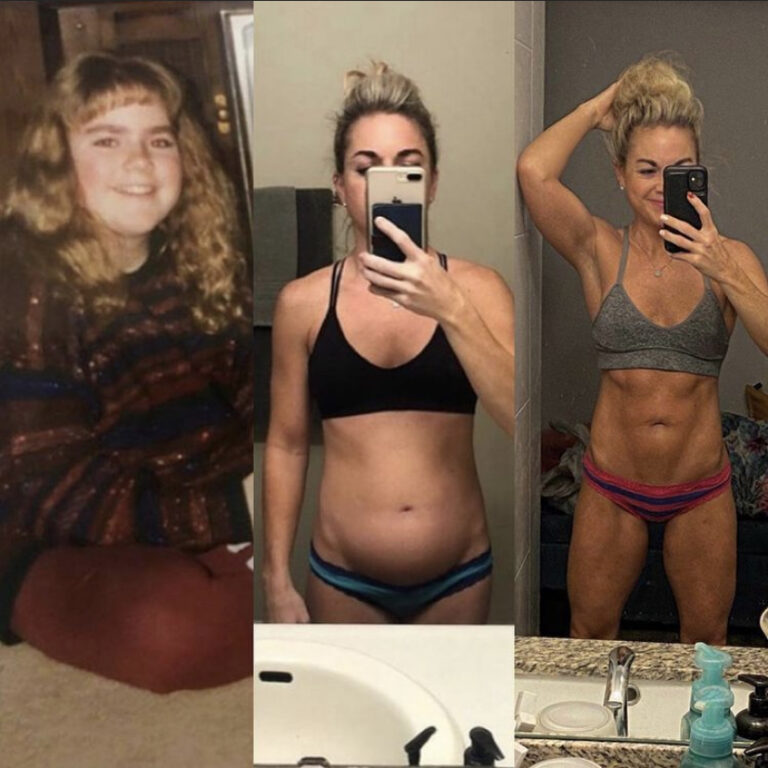
I grew up as an overweight kid. I was told to lose weight & tried to diet before I was 10 years old. My self-esteem & body image issues started at 8. Standard American Diet, being a “farm kid” we ate the good home cooked stuff. I had no portion control whatsoever. Kids were mean, & I couldn’t tell you how many times I was told, “If you’d just lose weight you’d be pretty like the other girls.” This translated into, “You won’t be successful, loved or worthy unless you’re thin & look the part.”
Following came the years of disordered eating & orthorexia — binging and purging with intermittent phases of anorexia. I would gorge & then hide Reese’s wrappers, tubs of ice cream, bags of chips, crackers, cookies – anything I had denied myself. Then the guilt-restrict cycle would kick in as I layed there with puffy cheeks & bloodshot eyes from throwing up food. I had a food addiction and carbs were not only a big autoimmune & gut trigger, but they were like giving an alcoholic a drink.
I found CrossFit in 2013, was a competitive athlete & then beat my body down into a hole of metabolic adaptation, exacerbated gut issues, & hormonal imbalances due to over exercising & under eating. It took 4 years for me to reverse diet up to my true maintenance calories so know this is a long journey. Have patience. I was misdiagnosed with IBS, as many are. Went through tons of testing & doctors. Honestly, I feel the only diet I haven’t done is a vegetarian diet. I’ve done’em all. As a CrossFit athlete fueling for my sport, I leaned more towards a high carb diet. (Knowing I had a poor relationship with them.)
3) Why did you try Carnivore to begin with.
The last Crohn’s flare was about a year ago, I knew I needed a reset. I was stressed out, eating out more, sleep was terrible, and I felt horrible. I had put on 10lbs of inflammation & felt I was insulin resistant. So I thought, this is my time. I’m gonna commit, cut the carbs & clean my shxt up, frankly.
As for my relationship with carbs, I am an abstainer. I am not a moderator when it comes to food. You need to determine which one you are too, an abstainer or a moderator? I do better with food rules and an all or none approach. I cannot have just 1 cookie, that leads to wanting the whole pan!
My own personal experimentation, data keeping via tracking food, journaling symptoms & triggers were my best “doctors.” Figuring out my trigger foods took YEARS. Years of getting to know myself, my needs, and how my body responded to food and stressors.
As far as my specific needs, I don’t digest veggies, fruits, fiber, gluten, dairy, lectins, high oxalate, or high fodmap foods well. That’s a lot, right?!
I noticed when I finally got my gallbladder out, I could eat meat just fine. My digestive symptoms went away.
I suggest for anyone else out there struggling with chronic bloating, constipation, diarrhea, reflux, heartburn, feeling like your food just sits there and you’re bloated and look 6 months pregnant every night, etc — these are warning sings. They are not normal and sign of an imbalance. An elimination diet like the carnivore diet is a great first step. Seek help from a qualified coach, dietitian, or practitioner.
Often we don’t realize the ‘healthy’ food we’re eating are the culprits because we cannot properly digest and absorb them. Often the plants, pre-packaged frozen meals, diet bars and shakes are the culprits. That’s what happened to me. The fiber, fruit, and veggies were causing me more harm because of my compromised digestive system. I’m grateful for these experiences because now I’m able to help clients pinpoint their trigger foods too and start the healing process.
Repeat after me, “We are what we DIGEST and ABSORB.”
My safe foods when having a gut flare were always soft meats like fish, ground meat, rice Chex cereal, eggs, plain rice cakes, & white rice. Basically a low residue diet & absolutely no fruits or vegetables. I could not break them down, they caused bloating & agony.
Nutrition is not a one size fits all. Reason we need to track, experiment, & realize templates or cookie cutter meal plans rarely work long term.
4) How do you personally approach the Carnivore Diet.
People are more familiar with the term “Carnivore Diet.” I prefer to reference it as an animal based diet. That’s because there are 50+ shades of the Carnivore Diet. I feel you have free will and choice to eat the meats & foods that make you feel your best. You don’t have to be strict carnivore (beef & water). We all have different trigger foods, preferences, and individualized needs.
I call my myself a “Liberal Carnivore.” I believe in flexibility. The majority of my meals are ground meats such as 85% ground beef & chicken, eggs, steak, ribs, lamb, & bacon. Occasional dairy such as cheese. Tried organs, don’t like’ em. If I feel I need a refeed day of higher carbs, I choose white rice, rice chex cereal, or plain rice cakes. They don’t bother my digestion. Rarely do I go over 50g of carbs, my average is around 20-25g daily. I don’t deny myself or feel guilty if I need to consume them for my health, gym performance, & recovery. All carefully portioned, of course.
Another common question I get is, “Do you drink?” Yes, socially. Rarely more than 2 times a month and I limit myself to no more than 3 cocktails. Usual choices are bourbon, vodka, & wine (Love Prosecco, Apothic Red, vodka and diet coke, & an Old Fashioned) Guess you could call those “Refeed Days” Hahaha!
**Disclaimer: This is what works for ME. I am not a medical doctor giving advice, simply sharing my experiences.
As far as macros and ratios, again, we are all different. I prefer a higher protein approach for my needs. As far as my activity & physical stats for comparison, I’m currently 5’1, 110lbs, cross train 5 days a week, average 13-15k steps/day.
Sweet spot for maintenance seems to be around 1900-2200 calories per day, ratios around 68% Fat, 27% Protein, 4% Carbs. I eat when I’m hungry, fast when I’m not. Fasting window is around 16-20hrs. Work out fasted at 5am most mornings during the week. Largest meal post workout with another meal around 1-3pm. I don’t force fasting and I don’t do extended fasts. If I feel I need a crunchy snack, Epic Brand baked pork rinds are my go to.
I do track food & macros via My Fitness Pal. I track weight, sleep, steps, & menstrual cycle via my Fit Bit Versa 3. I track my heart rate during workouts via my MyZone chest strap monitor. Blood glucose and ketones are checked via Keto Mojo. I’m also teaming up with NutriSense utilizing a continuous glucose monitor (CGM). What gets tracked gets managed. Not necessary, but I’m a data girl It helps me make more educated decisions and adjustments.
5) What benefits have you seen since starting the Carnivore Diet.
A TON! The biggest benefits have been no gut issues or flares, increased, steady energy (once adapted, it took me about 7 months), no carb cravings or binge eating urges, no more constipation, normal appetite and satiety, no more inflammation, and eventually, fat loss.
I didn’t go into the Carnivore Diet chasing fat loss or weight loss, I went into it chasing better health. I preach this to my clients, chase health and healing first, everything else will fall into line. The problem with yo-yo dieting is chasing unrealistic goals and expectations with an unsustainable diet &/or training approach.
I’m gonna be real, I gained 15lbs total when I started the Carnivore Diet. After 1 year, I lost that 15lbs, however. I wanted to quit many times and felt like shxt early on trying to adapt. I listened to the veterans and my own intuition, kept going.
Your appetite does correct and level out. Performance in the gym does suffer, initially. Depends on what modality of training you prefer. Take it easy. I significantly reduced my workout volume and intensity with no HIIT for about 6 months. Did a lot of walking and lifting simple weights, keeping my heart rate in a lower range.
About month 8/9, I noticed I was able to hit it harder in the gym and everything else was falling into line. That’s about when my weight started dropping as well.
Meal timing is important, especially when timing appropriately for your workouts. If you eat larger meals, make sure you give yourself plenty of time to digest them. Meat and fat are naturally “heavy” and the body has to work hard to break them down for digestion, affecting your energy levels. Again, everyone is different.

6) What negatives have you found with the Carnivore Diet.
I’m gonna be real, I gained 15lbs total when I started the Carnivore Diet. After 1 year, I lost that 15lbs, however. I wanted to quit many times and felt like shxt early on trying to adapt. I listened to the veterans and my own intuition, kept going.
Your appetite does correct and level out. Performance in the gym does suffer, initially. Depends on what modality of training you prefer. Take it easy. I significantly reduced my workout volume and intensity with no HIIT for about 6 months. Did a lot of walking and lifting simple weights, keeping my heart rate in a lower range.
About month 8/9, I noticed I was able to hit it harder in the gym and everything else was falling into line. That’s about when my weight started dropping as well.
Meal timing is important, especially when timing appropriately for your workouts. If you eat larger meals, make sure you give yourself plenty of time to digest them. Meat and fat are naturally “heavy” and the body has to work hard to break them down for digestion, affecting your energy levels. Again, everyone is different.
7) Do you exercise on the Carnivore Diet, if so how do you find it and what do you do.
Yes, absolutely! The gym is my sanctuary. I found CrossFit in 2013, drank the Kool-aid. My love affair has been ever since the first sound of a barbell dropping. My weights, intensity, and volume have changed with my seasons. I no longer train like a competitive CrossFit athlete. Yes, its hard to beat the competitiveness out of me, but is absolutely necessary for longevity.
I modify weights and movements to my needs. I listen to my body and rest when needed. Workout 5 days a week, rest 2. I get in about 13-15k steps a day
I feel the term “CrossFit” gets an unfair bad rap. It’s simply a term and just another modality of exercise. I love it because it combines strength and conditioning made up of functional movements performed at a your desired intensity level. The intensity and approach are up to you. Anyone can do it and you determine the pace and modifications of your workouts. Invest in a quality gym with quality coaches. Three Kings Athletics in Noblesville, IN is my second home and family.
8) What piece of advice would you give someone who is interested in trying this diet, but hasn’t taken the leap yet.
Thinking about carnivore in terms of 3 phases is helpful starting:
1.) Just get adapted – eat meat, find the low carb sources you love, cut the junk, find what eating windows work for your schedule, track to make sure you’re eating enough food.
2.) Focus on healing any G.I. issues & give it time. Be patient & consistent. You don’t feel good all the time, as with any diet it takes time to find your groove. Most hit a slump around 2 weeks. You didn’t develop gut issues overnight and you didn’t put on 30lbs overnight.
3.) Thrive & THEN play around with fat loss or muscle gain goals. You’ll be more self aware & educated once your reach this point.
Highly recommend getting the book Carnivore Cure by Judy Cho!
Not until someone is adapted & healed do I recommend any kind of playing around with fat loss cuts. For some it may take 3-6 months or it can take years depending on what kind of healing (gut, hormonal, metabolic etc) you have to do. Honor your biofeedback. Biofeedback means my quality of sleep, energy level, recovery, performance, mental clarity, menstrual cycle, sex drive, hunger & satiety cues, etc.
Tips for tracking more accurately:
- Pick meats that are easier to track. Ex: ground meats like beef/turkey/lamb/pork. The protein & fat grams are not as variable as say a ribeye or chuck roast.
- Weigh your meat raw before you cook. Meat shrinks down something like 20-30% when you cook it. It can account for a big difference in protein/fat grams & calories if you’re logging the oz or grams of cooked meat vs the actual raw weight. Fat will differ as well, especially if you’re draining or dabbing the fat off your meat after cooking. Here’s a good resource explaining what happens.
- Measure out your fats (butter, bacon fat, tallow, etc) Don’t guess. Weigh it out on a scale for most accuracy. Most of us use teaspoons or tablespoons but I don’t recommend eyeballing until you master accurately weighing food.
Reasons you may be gaining weight on low carb:
- You’re eating in a surplus. As with ANY diet you choose if you are eating in a surplus chances are you will put on body fat. It’s part of it. This is when you should be focusing on muscle gain & strength.
- You’ve been eating in a chronic deficit & your body is finally getting the nutrients it needs to function & grow muscle. You WANT muscle growth. More muscle=more food=more badass.
- You’re snacking too much on things like pork rinds, fat bombs, or fake keto junk like Atkins bars. Guilty. They’re easy to overeat & nutrient deficient. Go back to the basics. Simplify. Meat, water, coffee, no sweeteners, no supplements.
- You’re choosing highly palatable low carb foods like ribeyes, bacon, & cheese & eating when you’re not really hungry. It’s like when you’re not hungry but then they bring out dessert. Most of us will have that extra piece of cake. Choose foods that are satisfying & get the job done. I find ground beef to be most satisfying.
- You’re overly fasting &/or overly training. Chronically high cortisol & hormone imbalances affect your weight, recovery, energy, & fat loss. Reduce your intensity & workout volume. Walking & simply just moving does wonders. Don’t over complicate your workouts. SLEEP. Shorten your fasting window or STOP fasting.
- You’re eating too much protein, throwing hormones & your biofeedback off. Try increasing your fats & start with protein around 1g per lb of lean body mass, your goal weight, or 20-30% of your daily calories. Our energy sources come from fats & carbs. Take away your carbs & what do you have left? Fat. Don’t fear it. Play around with it you’ll find your threshold.
9) Do you think Carnivore will ever be accepted as a mainstream diet.
Never say never, but I doubt it. Carnivore is just like being a vegetarian only we prefer meat. No one bats an eye when you say you’re a vegetarian, but you say you only eat meat? They look at you like 4 eyes. The awareness, research, and education is spreading, however, so that is promising!
Is any diet really mainstream?
There’s hundreds of ways to eat. All that matters is you pick the one that suits YOU.
10) Anything you would like to add, and where can people follow you.
Anyone is welcome to become part of my digital family here, lilbitoffit.com and Instagram, @lil_bit_of_fit If you’d like to be added to our email list, click here.
Thank you all for reading and thank you, Steven, for allowing me to have this opportunity!
I hope this was of value in some way to all your journeys! Please feel free to tag and share with all of your friends and family!
oxox Coach K


Ketogenic Endurance – I hoped you enjoyed this post.
Thanks for reading, Steven
More Information
If you enjoyed this blog post and want to dive deeper into the carnivore diet, don’t hesitate to check out my other media, sites, and affiliate links for more insights, success stories, and support. Remember, I’m not a doctor, so always consult with a healthcare professional before making any significant dietary changes:
The Carnivore Diet 30 Day Challenge is an excellent way to push yourself to new limits and see what you’re capable of achieving. This challenge is all about following a diet that consists of only animal products such as meat, fish, eggs, and dairy. By doing so, you can experience numerous health benefits such as improved digestion, better mental clarity, increased energy levels, and weight loss.
If you’re looking for inspiration to start the Carnivore Diet, be sure to check out our real-life Carnivore Diet Success Stories. These stories feature people who have experienced tremendous results by following the Carnivore Diet, including significant weight loss, better health markers, and improved overall well-being. Reading about the success of others can be a great way to motivate and inspire you to keep pushing forward towards your goals.
In addition to inspiration, it’s essential to have a support system as you embark on the Carnivore Diet. That’s why we encourage you to join our Carnivore Diet Success Stories Facebook Group. Here, you can connect with like-minded people, share your experiences, ask questions, and get support from others who are on the same journey as you.
For informative and engaging videos on all things health and fitness, be sure to subscribe to my Ketogenic Endurance YouTube channel. You’ll find a wealth of information on how to succeed on the Carnivore Diet, including tips on how to overcome common challenges and stay motivated along the way.
If you’re active on Reddit, be sure to join the conversation on the Reddit Carnivore Diet Group. This group is an excellent resource for anyone looking to learn more about the Carnivore Diet or connect with others who are passionate about this way of eating.
For regular updates and tips on the Carnivore Diet, follow me on Twitter @ketoendurance. I share all sorts of tips and tricks on how to succeed on the Carnivore Diet, as well as updates on my own personal journey.
For a glimpse into my personal journey and tips on how to succeed on the Carnivore Diet, be sure to follow me on Instagram Steven Chasing Goals. Here, you’ll find daily updates, as well as helpful tips and advice on how to thrive on the Carnivore Diet.
For a fun and informative look at the Carnivore Diet, check out my videos on TikTok @ketoendurance. Here, you’ll find short, engaging videos that offer insights and tips on how to succeed on the Carnivore Diet.
Finally, if you’re looking for even more content and community interaction, be sure to like my Facebook Page Steven Chasing Goals. Here, you can connect with other Carnivore Diet enthusiasts, share your experiences, and get inspiration and motivation to keep pushing forward towards your goals.
Let’s continue this carnivore journey together and unlock the health benefits of a meat-based diet.
If you would like to do your own success story, hit me up in the contacts page.
For Carnivore friendly designs, search “Carnivore Diet Success Stories Hub Keto Press” on Amazon.



 Steven Chasing Goals
Leave a reply to How Katie Defied Odds with Carnivore Diet – Ketogenic Endurance – NomadKeto.com Cancel reply