Introduction
Robyn Middleton: A Portrait of Transformation Through the Carnivore Diet
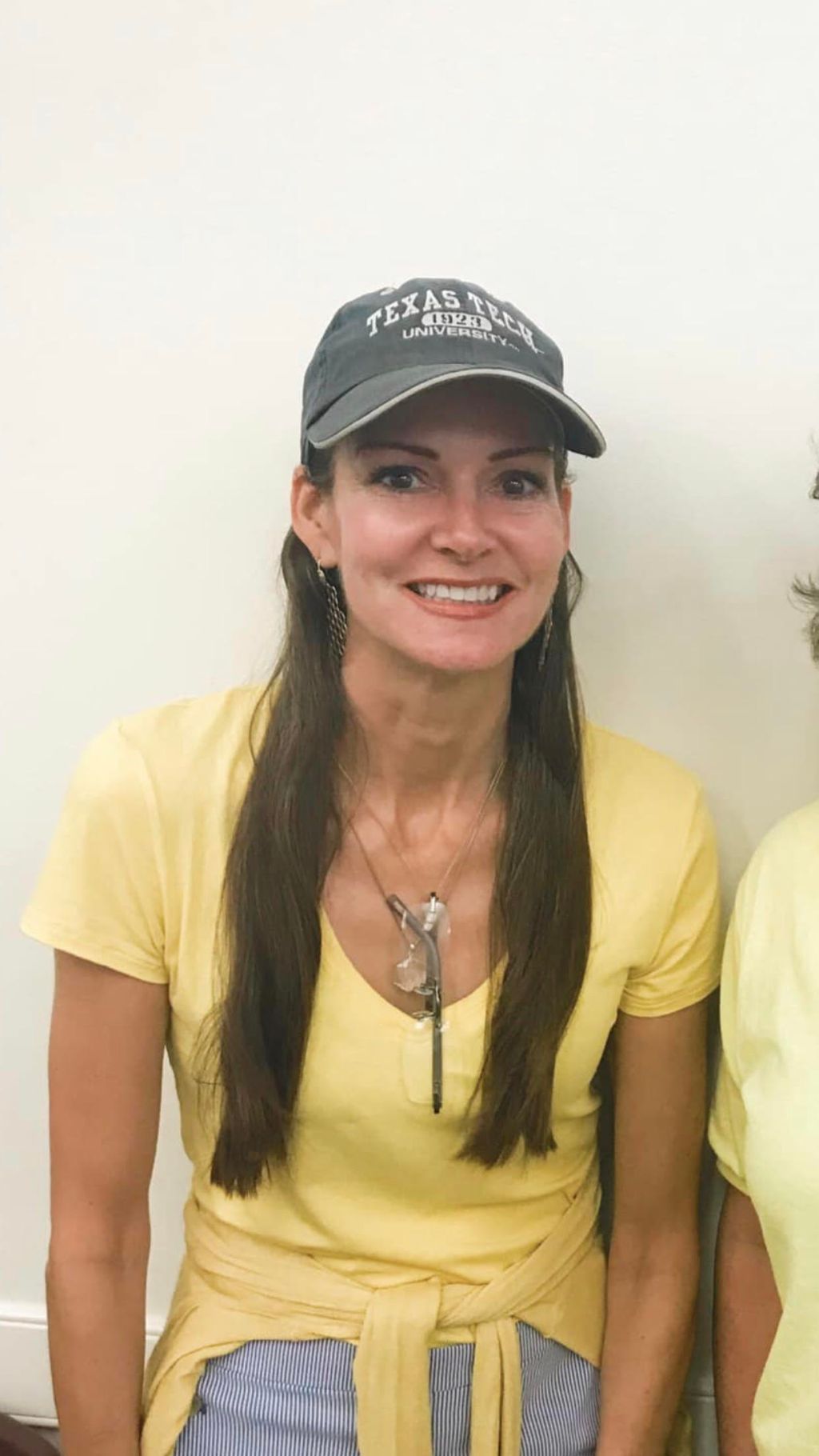
At 48, Robyn Middleton stands as a vibrant testimony to the transformative power of the Carnivore Diet. A multifaceted individual, Robyn juggles roles as a wife, mother, university communications instructor, film and digital portrait photographer, and a medical service corps officer in the Air Force Reserves. Her passions extend to beekeeping, yoga, French, and the Celtic harp, painting a picture of a life rich in diversity and enthusiasm.
Robyn’s journey to the Carnivore Diet began on a path paved by moderation and the Standard American Diet (SAD), with occasional ventures into paleo and ketogenic diets. However, it was her encounter with the ketogenic diet in the summer of 2017 that marked a pivotal turn. Motivated not by weight loss but by the search for anti-inflammatory benefits to alleviate her knee pain, Robyn discovered more than just a diet; she found a pathway to healing.
Her exploration led her to the Carnivore Diet, initially as a 30-day challenge in January 2019. To her surprise, the diet transcended her expectations, offering ease and satisfaction far beyond the ketogenic regimen. Robyn’s approach, which she terms “dirty carnivore,” encompasses a diet predominantly of red meat, supplemented with eggs, dairy, seafood, and minimal plant-based items. This approach has not only alleviated her knee pain significantly but also brought an array of benefits including mental clarity, better sleep, increased muscle gain, and enhanced productivity.
Robyn’s story is not just about dietary choices; it’s a narrative of empowerment, health, and discovery. Her experiences reflect a deeper understanding of nutrition and its profound impact on overall well-being.
The Transformative Journey to Carnivore
Robyn Middleton’s Path from Standard American Diet to Carnivore
Robyn Middleton’s transition to the Carnivore Diet is a story of gradual awakening and profound change. Her journey commenced with a conventional diet, the Standard American Diet (SAD), characterized by a balanced approach but not without its pitfalls. Seeking a healthier lifestyle, Robyn dabbled in Paleo, but it was the ketogenic diet that marked a significant turning point for her. Introduced to keto in 2017, she discovered not just a diet but a lifeline, especially for her knee pain, which was significantly reduced due to the diet’s anti-inflammatory effects.
The real transformation, however, began in January 2019 when Robyn embraced the Carnivore Diet as part of a 30-day challenge. Initially skeptical, she was astonished by the diet’s simplicity and the profound impact it had on her health. The Carnivore Diet, with its emphasis on meat and minimal plant-based foods, proved to be a perfect fit for Robyn. She found herself on the “dirty carnivore” spectrum, indulging in a diet primarily consisting of red meat, along with eggs, dairy, and select seafood. This dietary shift brought about a remarkable improvement in her knee condition, elevating her joint functionality and reducing pain.
Robyn’s carnivorous path is not just about the food on her plate; it’s a holistic lifestyle choice. This diet has endowed her with increased mental clarity, better sleep quality, and enhanced leanness. She credits the Carnivore Diet with eliminating bloating, boosting muscle gain, and significantly improving her work productivity. The constant fluctuations in blood sugar, a staple of her previous carb-heavy diet, were replaced by steady energy levels throughout the day.
Robyn’s narrative is a powerful testament to the Carnivore Diet’s potential to revolutionize one’s health. It underscores the importance of understanding one’s body and finding a diet that aligns with individual health needs and goals.
Benefit 1: Joint Pain Relief and Increased Mobility
“A Leap Towards Pain-Free Living: The Impact of the Carnivore Diet on Joint Health”
One of the most profound benefits Robyn Middleton experienced with the Carnivore Diet was significant relief from joint pain and enhanced mobility. Before her dietary transformation, Robyn struggled with patellofemoral pain syndrome, a condition that greatly limited her daily activities. Simple tasks like climbing stairs or getting into a car were challenging, and her quality of life was severely impacted.
The shift to a ketogenic diet initially brought some relief, but it was the Carnivore Diet that led to a near-complete turnaround in her condition. The diet’s emphasis on high-protein and high-fat foods, particularly red meat, seems to have played a crucial role in reducing inflammation and aiding in the repair and strengthening of joint tissues. Robyn’s experience resonates with emerging research suggesting that diets low in carbohydrates and high in proteins and fats can significantly alleviate joint-related issues.
For Robyn, this meant regaining about 95% functionality in her knees, a remarkable improvement from her pre-diet days. Her journey highlights an essential aspect of the Carnivore Diet – its potential to act as a natural intervention for chronic pain management, especially for joint-related ailments. This benefit extends beyond mere pain relief; it encompasses improved mobility, independence, and a better quality of life.
Benefit 2: Enhanced Mental Clarity and Productivity
“Sharper Mind, Enhanced Focus: The Cognitive Benefits of Going Carnivore”
Alongside the physical benefits, Robyn Middleton’s switch to the Carnivore Diet brought significant cognitive improvements. She reports experiencing increased mental clarity and an enhanced ability to concentrate on work tasks for extended periods. This heightened focus and productivity are likely a result of stabilized blood sugar levels, a common outcome of low-carb, high-fat diets like Carnivore.
The elimination of the typical highs and lows associated with carbohydrate-rich diets prevented the hypoglycemic episodes Robyn previously experienced. This stability is crucial for brain function, as fluctuating blood sugar levels can lead to decreased cognitive performance and focus. The Carnivore Diet provided Robyn with a consistent energy source, improving her mental alertness and concentration.
Furthermore, Robyn attributes an increase in confidence and a decrease in anxiety to a possible rise in testosterone levels, a hormone known to impact mood and mental well-being. This psychological uplift, coupled with the physical benefits, contributes to a holistic sense of health and empowerment.
Robyn’s experience underscores the Carnivore Diet’s potential not just in physical health, but in fostering a sharper, more focused mind, proving that the benefits of dietary choices extend far beyond the physical realm.
Conclusion
“A New Horizon: Embracing Life’s Full Potential with the Carnivore Diet”
Robyn Middleton’s journey through the realms of the Carnivore Diet is more than a story of dietary change; it’s a narrative of personal rebirth. Embracing this lifestyle has not only revolutionized her physical health but also her mental and emotional well-being. The transition from a life marred by joint pain and fluctuating energy levels to one of vitality and vigor is nothing short of remarkable.
Robyn’s experience reflects a profound transformation. The alleviation of her knee pain and the gain of near-complete mobility have opened doors to activities and joys that were once hindered. The Carnivore Diet has gifted her a renewed sense of independence and freedom, allowing her to engage more fully in her diverse interests and responsibilities.
Beyond physical health, the diet has had a striking impact on her mental clarity and productivity. The enhanced focus and increased confidence have been instrumental in her professional and personal endeavors. Robyn’s story is a testament to the power of diet in shaping not just our physical health but our entire approach to life.
As Robyn continues to thrive on the Carnivore Diet, her story stands as an inspiring beacon for those seeking to improve their health and quality of life. It underscores the importance of listening to our bodies and finding a path that aligns with our individual needs and goals.
Robyn Middleton’s journey is a vivid reminder that sometimes, the key to unlocking our full potential lies in the simplest of changes – in this case, the food on our plate.
Interview with Robyn

1) Introduce Yourself.
My name is Robyn Middleton. I am a 48 year old wife/mom/university communications instructor/film + digital portrait photographer and a medical service corps officer in the Air Force Reserves. My hobbies include beekeeping, yoga, practicing French and learning the Celtic harp.
2) How did you eat before Carnivore?
Most of my life (and like many) I practiced reasonable moderation and followed the SAD (standard American diet). I would follow a paleo style of eating during times of getting in shape/preparing for the military physical fitness test. From the summer of 2017 to Dec 2018 (1.5 years) I followed a fairly strict ketogenic diet.
3) Why did you try Carnivore to begin with?
I came to the Carnivore Diet via way of the ketogenic diet. During the summer of 2017, a good lifelong friend was staying with me for a week as our house guest. Because she was visiting Virginia, I was cooking her a lot of our signature “southern style” dishes, shrimp & grits, etc. that were pretty carb-heavy. After a couple of days, she admitted that she was following a ketogenic diet and should probably slow down on the carbs for the week. Not wanting to be a stumbling block, I told her I would like to try it and cook keto meals for the rest of the week. I googled “ketogenic” and became very interested in the diet and the overall metabolic theory. I was compelled by the research and science behind it – – told her I would do the diet with her. Being fairly petite and small-framed, I have never really been overweight, but I have had periods of time where I was out-of-shape and “puffier”. My main motivation to try the ketogenic diet was not as much for weight-loss as it was for its anti-inflammatory effects. I had been struggling with a significant amount of patellofemoral pain syndrome/arthritis in my knees. At the time (at age 46), I was having much difficulty doing simple tasks such as climbing stairs (would have to hold on to the hand railing & descend the staircase slowly in a sideways manner), getting in and out of my car (would have to grab the side of the door and pull myself up), etc. The ketogenic diet was a God-send for the rehabilitation of my knees! I re-gained about 90% function of my knees and was relatively pain-free.
In January of 2019, the orthopedic physician and carnivore advocate/educator, Dr. Shawn Baker was organizing “World Carnivore Month” via social media. The challenge was to try the Carnivore diet for just 30 days. I participated in the month-long challenge not expecting to be able to continue or sustain it. To my surprise the Carnivore diet was so much easier than the ketogenic diet (no counting of macro ratios/tracking) and was very satisfying/filling. It is theorized more and more in the ketogenic medical community that going carnivore can produce even more positive outcomes in regards to joint pain and other similar health challenges. It proved to be true for me also, as my knees are now at about 95% function/pain free. I believe that if I could have the willpower to reduce/cut out dairy, I could probably get my knees back up to 100% functionality. I’m not there yet though.
4) How do you personally approach the Carnivore Diet?
I probably fall on the spectrum of what many call “dirty carnivore” (not 100% carnivore but almost). I eat 99% red meat daily. I eat a lot of ribeye steaks and higher fat hamburger meat (usually 80/20). I also enjoy beef or calf liver and eat it about 3 times a week (it is nature’s perfect multivitamin). The rest of my diet is comprised of eggs and a small amount of dairy (hard cheeses & heavy whipping cream). I also love all types of seafood drenched in real full-fat melted butter. The “dirty” part of my diet (non-carnivore) includes daily decaf coffee with heavy cream, a raw cacao “pudding” that I make with avocados + stevia, occasional salsa at my favorite Mexican restaurant, and red wine on the weekends. Lately, the only fruit/vegetable I consume is the avocado. I typically eat two meals a day beginning around noon and I employ an almost daily 16:8 or 18:6 intermittent fast. I supplement with collagen peptides (for joint + skin health) and beef gelatin. I also make a daily “Gatorade” with magnesium (natural calm powder), potassium (“No-salt”) and sodium (sea salt) to keep my electrolytes in balance. I have SVT (an electrical heart arrhythmia) so I have to keep my electrolytes in check. Overall, the carnivore diet has alleviated and greatly improved my SVT condition.
5) What benefits have you seen since starting the Carnivore Diet?
I have experienced SO many benefits with this WOE (way of eating). Satiety (never “hangry”), elimination of joint pain, increased mental clarity, better sleep, increased leanness, elimination of bloating, increased muscle gain and enhanced work productivity. I can now focus on work tasks more intently for long periods of time w/out distraction. Before, when eating a carb heavy diet, my blood sugar would do roller coasters throughout the day and I would become hypoglycemic, shaky and anxious (would need to eat every 3 hours). My blood sugar now stays constant throughout the entire day. I have also experienced mental benefits in that I now get these ideas in my head that I can do/accomplish almost anything I want to – – if I decide I want it. I think this may be attributed to an increase in testosterone (increased confidence & reduced anxiety). Finally, I have gained so much more free time in my day by not having to prep timely or complicated meals. I believe meat is also the MOST nutrient dense food that exists for humans. With the carnivore diet, the body is fueled optimally and satisfied with a lesser amount of food. When we eat a carbohydrate based diet, the body signals you to keep eating and eating. This is because our poor bodies are constantly searching for the nutrients that it knows it is not getting on the nutrient-scarce standard American diet. Frighteningly, only about 12% of the U.S. population experiences optimal health, pain-free. I truly believe that most Americans are overweight not because we are lazy & gluttonous, but because we are constantly being poisoned by the corporate driven, big-pharma + food industry. Our food system is designed to keep us entrapped in a repetitive cycle that produces failure, weight gain, inflammation and disease. It is truly liberating to realize that eating delicious, high fat red meats + steak daily is not only OK, but optimal. It is also liberating to learn that we do not need to consume plants (at all) and that the plant fiber narrative we have been told is simply not true. I used to consume copious amounts of spinach believing that it was “healthy”. Today, my knees have thanked me for avoiding spinach and the high amount of (joint) pain causing oxalates that the vegetable carries.
6) What negatives have you found with the Carnivore Diet?
Not many…few to very little. Probably the only drawbacks are eating out (less options as sugar and carbs are hidden in almost EVERYTHING) and the social aspects. When eating out, if I want a salad I will order one as a rare treat (but I usually stick with meat). When traveling, it takes a little planning to pack carnivore friendly foods, but that is totally manageable.
7) Do you exercise on the Carnivore Diet, if so how do you find it and what do you do?
I exercise a moderate amount but not heavily. MWF I do light free weights (arms) + core exercises (about 15-20 min tops). T/TH I focus on leg exercises (assisted squats + core exercises) – – again about 20 min tops. I like to exercise earlier in the day in a fasted state (before eating my 1st meal). I teach a yoga class once a week and take walks around the neighborhood a few times a week with a friend. I also practice meditation daily to reduce the stress hormone cortisol and to improve my vagal tone health (this reduces/manages my heart arrhythmia). That is about it really.
8) What piece of advice would you give someone who is interested in trying this diet, but hasn’t taken the leap yet?
- Pay close attention and mind your electrolytes!! Proper electrolyte levels are paramount for heart health/rhythm, etc. When transitioning from a sugar + carb based diet, the body will dump a lot of excess water initially that is no longer needed in the body. Carbs retain a lot of H20 in the body. Those on a low carbohydrate diet carry less water weight within the body. 1 carb retains 3 units of water. The body will always maintain this balance/ratio. With this flushing out of water initially, we unfortunately flush out electrolytes also. This detox/adjustment period (AKA the “keto flu”) is common/usually unavoidable and will cause you to feel ill (sometimes for a week or even more). The Rx to combat this is to keep the trifecta of electrolytes (magnesium/potassium/sodium) at a proper level. Google “keto Gatorade” for the recipe & proper amounts (do not over do the potassium – – both too little and too much potassium can cause heart palpitations). It is best to have your levels checked by your doctor before beginning).
- Get enough sodium in your diet daily. Low carb dieters need more salt than those following the SAD. Plus it makes meat so much tastier J Redmond Real Salt is a great brand.
- Give yourself time to adjust. Many do better by easing into this lifestyle vs going cold turkey. Trying the ketogenic diet first is helpful for many to transition.
- Maria Emmerich’s Ketogenic cookbooks are a great place to start and make the transition tasty and fun. There are many free recipes on her website: https://mariamindbodyhealth.com/ . She also has an upcoming carnivore recipe book in the works.
- Do your research on the why and how of this diet/lifestyle. There are many good pioneer physicians & metabolic scientists doing great research and education in regards to the Carnivore diet. My favorites are Dr. Dom D’Agostino (neuroscientist/physiologist/molecular pharmacologist), Dr. Paul Saladino (functional medicine/psychiatry), Dr. Shawn Baker (orthopedic surgeon), Dr. Ken Berry (family physician), and Dr. Jason Fung (nephrologist/fasting expert). Stay abreast of the current science so that you armed with information when others will inevitably try to scare you back towards the supposed “balanced” standard American diet (the diet that has not worked anyway for decades as diabetes and heart disease rates continue to soar).
- Resist the temptation to talk about your diet to others (at least initially). The 3 most inflammatory & polarizing topics today tend to be religion, politics and diet. Folks get really defensive quickly with the topic of diet. Sadly, in western medicine, our well-intentioned MDs actually get very little nutritional training. Also, nutritional science is lacking in that most studies are built around correlation factors that mostly only point towards association versus causation. Pinpointing causation is very difficult if not near impossible. In this regard, ALL nutritional studies are limited and inherently flawed. It is up to us to do our own research, decide for ourselves what we believe to be true, take responsibility, roll the dice and have faith. I would also recommend against participating in dieting dogma and strong debate. Be gentle and understanding with others with where they are in their health journey. Whether one is trying a calorie-restrictive, Mediterranean, Paleo, vegetarian/vegan diet etc, etc.,…..any way of eating that encourages a reduced intake of processed foods and sugar is a step towards a better direction (as opposed to the current SAD).
- Don’t stress yourself out trying to create too many different recipes (whether Keto or Carnivore). The author Tim Ferris, once stated that most folks over self-report the amount of variety their diet. We don’t really eat as much of a varied diet as we think we do. We typically rotate the same 5-7 meals (recipes) unknowingly. If you can find just a few recipes/meals that you enjoy and can stick to, then start there. Eat the appropriate foods you like and don’t try to accomplish too much at once.
- Don’t count/restrict calories (at least in the beginning). Give your body time to adjust to its new fuel source (fat). This transition and adaptation period takes time (maybe even up to 6 months). We are reversing decades and a lifetime of bad chemistry and the metabolic mess going on in our bodies.
- Avoid fasting in the beginning/don’t force it. This will come naturally with time later once your body is fully adapted.
- Stay off the scale (at least in the beginning). Muscle is denser (more compact) and weighs more than fat. As you gain more muscle, the scale will go up and down and will mess with your head. Just go by how you feel and how your pants fit as a measure of positive progress.
- Read up on hormones and their importance/role in weight loss and gain. The saying “Calories in, Calories out” carries some truth, but is only a smaller piece of the puzzle. Hormones play a huge role. Maria Emmerich explains this well in her book ‘Keto’. https://www.amazon.com/Keto-Complete-Ketogenic-including-Simplified/dp/1628602821/ref=sr_1_3?keywords=keto+emmerich&qid=1561662840&s=gateway&sr=8-3
- Get adequate sleep. Sleep trumps exercise (I need more discipline also in this area).
- Look up and learn all the sneaky, disguised words for SUGAR that are found on food labels. For example, the ingredients maltodextrin and dextrose (an additive in processed foods that prevents caking) has an even higher glycemic index than white table sugar. Avoiding sugar is like traversing a mine field and we need to know what to look for on labels in order to steer clear.
- If on a budget, don’t feel pressured to only consume organic or grass-fed beef. This CAN be done on a budget with regular store-bought beef and eggs. You will still reap huge health benefits and weight reduction.
- Avoid the interior aisles of the grocery store for the most part (aside from salt, spices, mineral water, etc). This is where all the processed food is located. Shop mostly from the perimeter of the store (meat/dairy/vegetables).
9) Do you think Carnivore will ever be accepted as a mainstream diet?
Maybe not in the near future, but yes I believe eventually it will. The corporate funded, nutritional falsehood (beginning with the 1950s/60s era Ansel Keys study) that demonized meat + saturated fat has been deeply ingrained into our collective psyche for so long. It will take time to for us all to accept & reverse this paradigm. That said, these are very exciting times in medical/metabolic/dietary research. It is like reading a good thriller novel, where we discover that the “bad guy” (saturated fat + dietary cholesterol) really is not the devil, but has actually been the “good guy” all along. I am highly encouraged by the research and good work of motivated/inspired, well-spoken and diplomatic physician researchers such as Dr. Paul Saladino. His work and research can be referenced at https://www.paulsaladinomd.com/
10) Anything you would like to add, and where can people follow your journey?
Social media is a great place to share recipes and anecdotal success stories surrounding the ketogenic and carnivore diets. My favorite is Instagram where the carnivore community is flourishing and very supportive. I post recipes/ideas on my IG account at: www.instagram.com/carnivorous_and_carefree . There are also several good carnivore Facebook groups to plug into the latest research, ideas and support.


Ketogenic Endurance – I hoped you enjoyed this post.
Thanks for reading, Steven
More Information
If you enjoyed this blog post and want to dive deeper into the carnivore diet, don’t hesitate to check out my other media, sites, and affiliate links for more insights, success stories, and support. Remember, I’m not a doctor, so always consult with a healthcare professional before making any significant dietary changes:
The Carnivore Diet 30 Day Challenge is an excellent way to push yourself to new limits and see what you’re capable of achieving. This challenge is all about following a diet that consists of only animal products such as meat, fish, eggs, and dairy. By doing so, you can experience numerous health benefits such as improved digestion, better mental clarity, increased energy levels, and weight loss.
If you’re looking for inspiration to start the Carnivore Diet, be sure to check out our real-life Carnivore Diet Success Stories. These stories feature people who have experienced tremendous results by following the Carnivore Diet, including significant weight loss, better health markers, and improved overall well-being. Reading about the success of others can be a great way to motivate and inspire you to keep pushing forward towards your goals.
In addition to inspiration, it’s essential to have a support system as you embark on the Carnivore Diet. That’s why we encourage you to join our Carnivore Diet Success Stories Facebook Group. Here, you can connect with like-minded people, share your experiences, ask questions, and get support from others who are on the same journey as you.
For informative and engaging videos on all things health and fitness, be sure to subscribe to my Ketogenic Endurance YouTube channel. You’ll find a wealth of information on how to succeed on the Carnivore Diet, including tips on how to overcome common challenges and stay motivated along the way.
If you’re active on Reddit, be sure to join the conversation on the Reddit Carnivore Diet Group. This group is an excellent resource for anyone looking to learn more about the Carnivore Diet or connect with others who are passionate about this way of eating.
For regular updates and tips on the Carnivore Diet, follow me on Twitter @ketoendurance. I share all sorts of tips and tricks on how to succeed on the Carnivore Diet, as well as updates on my own personal journey.
For a glimpse into my personal journey and tips on how to succeed on the Carnivore Diet, be sure to follow me on Instagram Steven Chasing Goals. Here, you’ll find daily updates, as well as helpful tips and advice on how to thrive on the Carnivore Diet.
For a fun and informative look at the Carnivore Diet, check out my videos on TikTok @ketoendurance. Here, you’ll find short, engaging videos that offer insights and tips on how to succeed on the Carnivore Diet.
Finally, if you’re looking for even more content and community interaction, be sure to like my Facebook Page Steven Chasing Goals. Here, you can connect with other Carnivore Diet enthusiasts, share your experiences, and get inspiration and motivation to keep pushing forward towards your goals.
Let’s continue this carnivore journey together and unlock the health benefits of a meat-based diet.
If you would like to do your own success story, hit me up in the contacts page.
For Carnivore friendly designs, search “Carnivore Diet Success Stories Hub Keto Press” on Amazon.




Leave a Reply